Flat roofs offer a practical design for homes, offices, garages, and commercial buildings. However, their low slope can allow rainwater to remain on the surface when drainage is poor. Over time, standing water, cracks, ageing coatings, and damaged joints can contribute to leaks and moisture damage.
Professional flat roof waterproofing helps protect the roof from persistent moisture and changing weather conditions. With proper preparation and the right waterproofing system, you can reduce the risk of leaks and help maintain the condition of the roof.
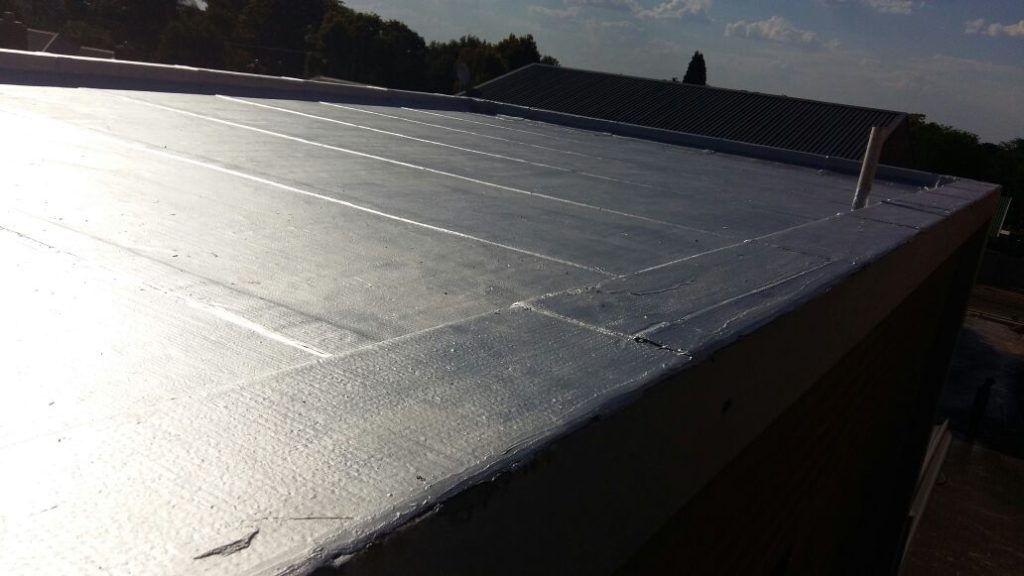
Professional Flat Roof Protection
Every flat roof has its own condition and drainage requirements. Therefore, we inspect the surface before recommending a suitable treatment. This allows us to identify damaged areas, weak points, and possible sources of water entry.
Our flat roof waterproofing solutions are suitable for residential and commercial properties. We focus on practical application and proper surface preparation to achieve reliable protection.
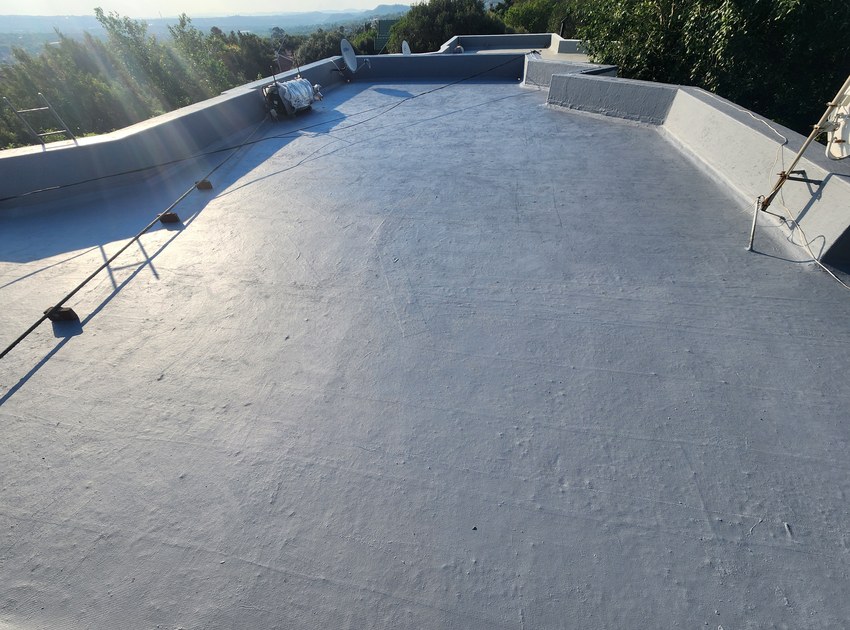
Identifying Roof Leaks
A leak inside a building does not always appear directly below the damaged area. Water can travel beneath roof layers before reaching a ceiling or wall.
We check common problem areas, including cracks, seams, joints, edges, outlets, and penetrations. By identifying vulnerable points, we can address the cause rather than simply covering the visible signs of water damage.
Treating Standing Water Problems
Flat roofs need effective drainage because water can remain on the surface after heavy rain. Persistent pooling may place additional stress on coatings and increase the chance of moisture entering damaged areas.
Flat roof waterproofing can help protect exposed surfaces from repeated water contact. However, drainage should also receive attention to ensure rainwater can move away from the roof effectively.
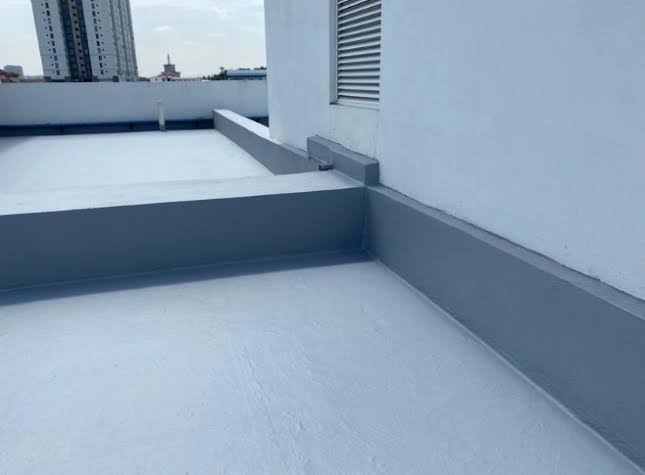
Crack Repair and Surface Preparation
Cracks can develop as a roof ages or responds to temperature changes and structural movement. Even narrow cracks may allow moisture to reach underlying materials.
Before applying a waterproofing system, we prepare the affected surface and address suitable cracks and damaged sections. This creates a cleaner and more stable base for the protective treatment.
Roof Joint and Edge Sealing
Edges, joints, vents, pipes, and other roof penetrations can become vulnerable to leaks. These areas require careful sealing because water can enter through small gaps.
Our flat roof waterproofing process gives attention to these details. Proper sealing helps create continuous protection across vulnerable areas of the roof.
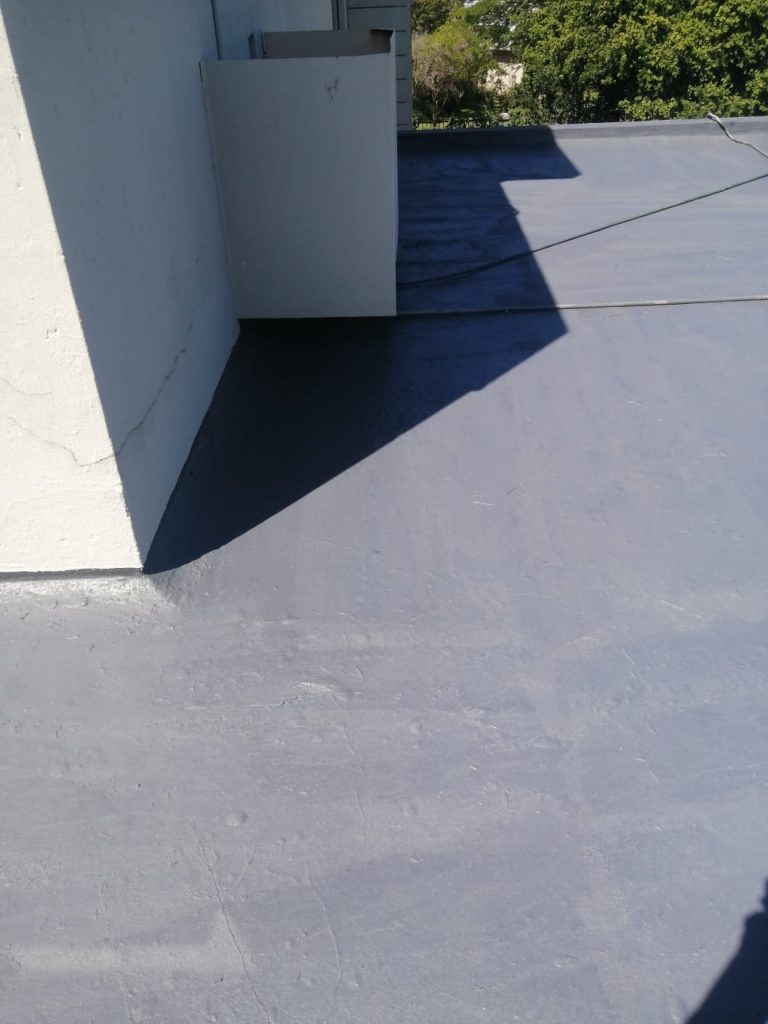
Waterproofing Existing Flat Roofs
Older roofs may have worn coatings, previous repairs, or areas of deterioration. In some cases, the existing surface can receive a new protective system after suitable preparation.
We assess the condition of the roof first. Then, we determine whether repairs, preparation, or additional treatment should take place before waterproofing.